
Wood Siding
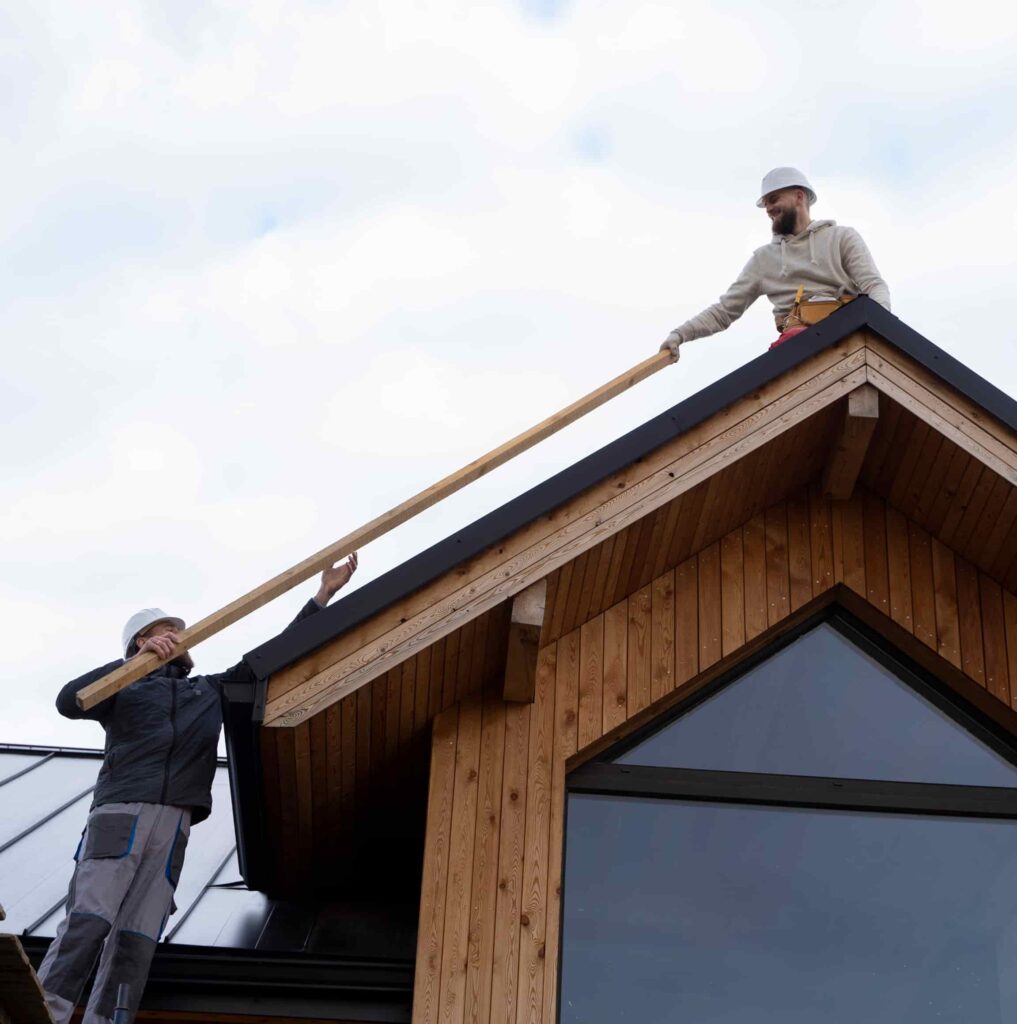
Upgrade your home’s appeal and protect its structural integrity with sustainably, artfully installed wood siding from the specialists at Green Path Construction.
Transform Your Home With Stunning, Long-Lasting Wood Siding
Wood Siding offers unmatched aesthetics, sustainability, and enduring performance for Vancouver area homes. Unlike vinyl or synthetic alternatives, real wood siding adds organic warmth, visual character, and charming appeal to your exterior. Skillfully installed boards create delightful dimensions showcasing natural grain textures or smooth finishes.
Wood also provides eco-friendly durability, with cedar and redwood naturally resisting moisture, rot, and pests thanks to their innate resins and oils. Properly cared for, these renewable woods deliver long-term value, protecting your investment’s beauty and structural integrity. Even reclaimed boards can be sustainably renewed as charming, resilient siding. With many available wood siding options, consult qualified local specialists like Green Path Construction to explore your best solution. Whether cedar, pine, redwood, or custom reclaimed boards, our experts will partner with you to select ideal wood materials and proper installation methods to realize the fullest benefits of enhancing your home.
What are the Best Wood Siding Options?
The options for wood siding styles, textures, and configurations are nearly endless. The most common sidings are wood-based, such as solid wood, plywood, shingles, shakes, hardboard, and particleboard. Here are some options for those looking for the best wood sidings:
Cedar Wood Siding
Western red cedar is one of the premium choices for wood siding. It has a signature reddish-brown tone and a straight, even grain pattern. Cedar naturally resists moisture, decay, and pests – perfect for Vancouver’s climate. It can be left to weather naturally or finished. Types of cedar siding include:
- Bevel siding – Classic horizontal clapboard style, available in different width planks
- Shakes/shingles – Rustic, multi-layered look mimicking hand-split shakes
- Boards – Wide 6-inch+ vertical or horizontal boards
Redwood Siding
Redwood is another top wood siding contender, with a distinctly reddish hue. It withstands moisture and rots very well. Redwood siding styles include:
- Channel – Grooved boards that fit together for a sleek look
- Tongue and groove – Boards with tongue and groove edges interlock snugly
- Shingles/shakes – Redwood shingles impart that rustic cabin aesthetic
Douglas Fir Siding
A versatile, cost-effective option, Douglas fir has good physical performance. Its greenish-yellow tones and prominent graining supply visual interest. Douglas fir siding comes in log styles, boards, and panels.
Reclaimed Wood Siding
For a truly one-of-a-kind, eco-friendly look, reclaimed barn boards and other antique wood repurposed into siding have an undeniable appeal. Each piece tells a unique story.
Why Choosing Green Path?
Visual Appeal
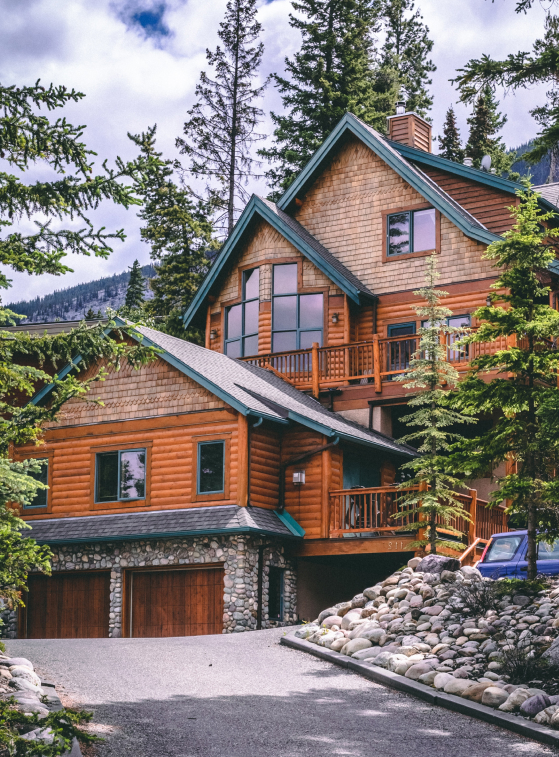
Wood siding introduces captivating texture and warmth that are difficult to replicate in vinyl or engineered materials. Painted or stained finishes further expand styling flexibility.
Durability
Properly installed wood siding withstands the weather. Cedar and redwood boards contain natural preservatives that resist swelling, rotting, and pests, even in damp climates.
Energy Efficiency
Wood functions as a natural insulator, reducing heat and cooling loss more effectively than other siding options. This efficiency yields savings for years to come.
Value Addition
Few upgrades can match wood siding’s ROI. Its elegance communicates quality construction and helps homes retain higher resale valuations.
What are the Considerations for Wood Siding?
While wood siding offers many perks, there are some factors to remember:
Maintenance:
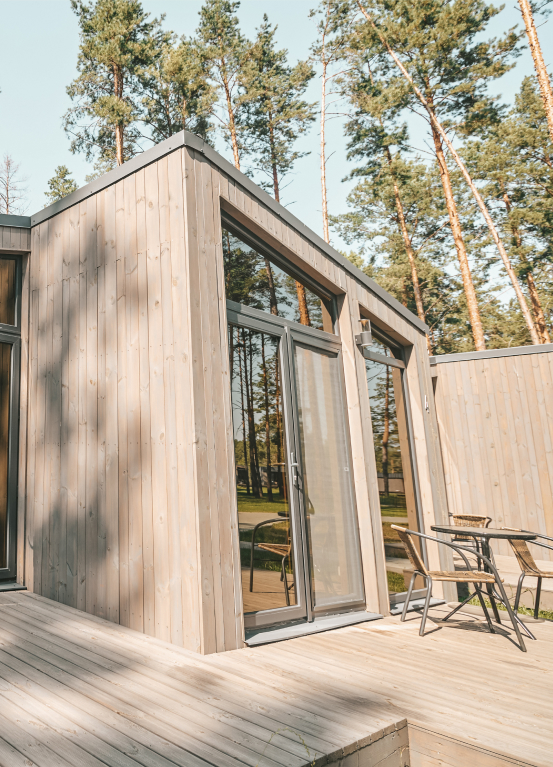
To prevent damage, wood siding will require periodic maintenance, like cleaning, caulking, and refinishing. However, factory-finished options today make upkeep much easier than site-finished materials.
Cost:
Wood siding is generally more expensive upfront than basic vinyl or fiber cement options. But it’s a wise long-term investment, given wood’s longevity, energy savings, and added resale value. More intricate wood sidings like board, batten, and log siding carry the highest upfront cost.
Fire Risk:
Wood is flammable, unlike non-combustible materials like stucco and masonry. Proper fire-rated construction techniques must be used. Areas at high risk for wildfires may prohibit certain types of wood siding unless treated for fire resistance.
Exposure to Elements:
While wood can withstand weather, prolonged sun exposure, excessive moisture, and temperature swings can damage siding over time. Proper installation and maintenance help prevent deterioration. Using naturally rot-resistant species minimizes risks.
Pests:
Termites, carpenter ants, woodpeckers, and other pests threaten wood siding, especially in specific geographic regions like Vancouver. Preventative treatments during installation along with trimming back trees and vegetation, can help prevent infestations.
Revitalize Your Home’s Appearance with Our Superior Wood Siding Services
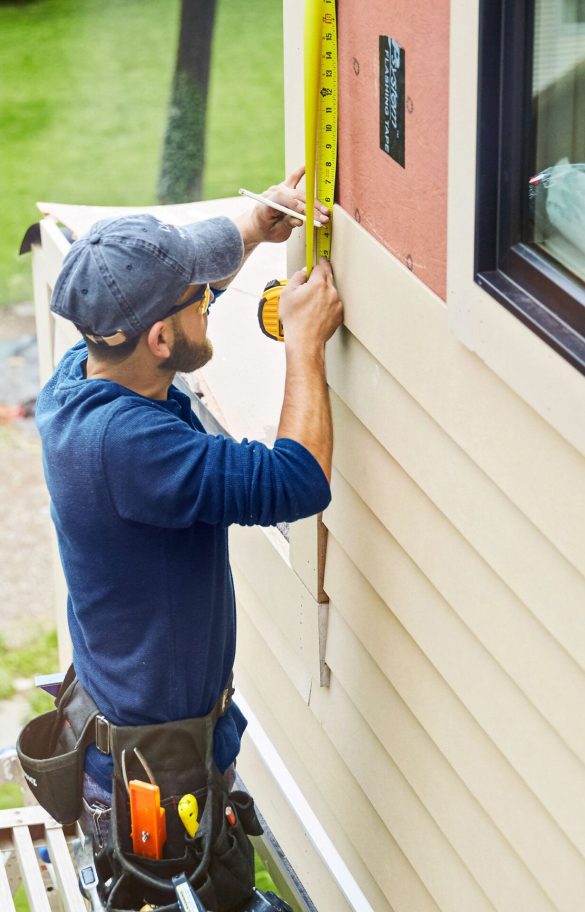
Proper installation is crucial to ensure wood siding’s performance and longevity. Here are the basic steps:
Prepping the Walls:
The walls must be flat, clean, and free of imperfections so the siding lays smoothly. Nails and staples should be removed, holes patched, and surfaces primed. Flashing should be integrated with waterproof membranes around windows, doors, and roof lines.
Applying Vapor Barrier:
A vapor barrier like house wrap or felt paper helps prevent moisture issues. Proper ventilation behind the siding is also critical to allow airflow and drainage. Furring strips then create an air gap.
Installing Furring Strips:
Furring strips are fastened horizontally along the studs to provide a nailing base. They create a narrow air gap between the siding and sheathing for improved ventilation and drainage. Strips should be level and spaced according to the siding manufacturer’s specifications.
Applying Siding:
The starter course is installed along the bottom of the wall. Subsequent courses are nailed into place, moving upward, maintaining the recommended overlap for that siding type. Joints between boards should be staggered to avoid obvious seams. Leave proper gaps for expansion.
Caulking and Painting:
Gaps must be caulked for a weathertight seal once the siding is installed. Exposed nail heads should be caulked as well. Factory-finished or site-finished stain and paint protect the wood from moisture, UV rays, and pests. Proper primer and finish coat are key.
Trim and Flashing:
Trim pieces frame corners, windows, and doors cleanly. Aluminum flashing provides additional water protection. Gutters and downspouts help divert rainwater away from the structure.
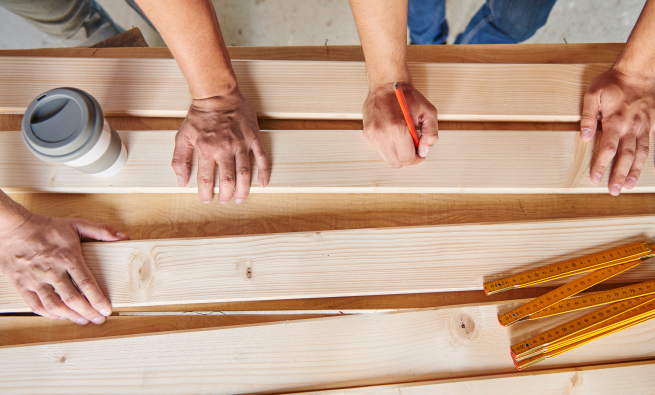
4 Factors When Choosing Wood Materials:
1. Climate Appropriateness:
For the Vancouver area, moisture-resistant cedar, and redwood varieties prove most suitable to perform through seasons of rain, wind, and humidity.
2. Board Width:
Wider 1×8 and 1×10 boards provide the most durable base for fastener integration over decades of stress from weather and natural shifts.
3. Grade:
Select more refined transparent grades for stain-grade applications and rustic grades to showcase natural character under opaque paint.
4. Reclaimed Options:
Reclaimed barn boards repurposed into siding for more budget-conscious projects maintain charm at a fraction of virgin wood costs.
OUR IMPRESSIVE RECORD SPEAKS FOR ITSELF
For Vancouver homeowners, high-grade wood siding provides unmatched beauty, warmth, and protection that withstands the tests of time and weather. Choosing premium species like cedar or redwood and hiring wood siding specialists like Green Path, who offer their Craftsmanship Guarantee, ensures your investment will deliver returns for many years without rotting, cracking, or losing character. Consider wood siding among the most impactful exterior upgrades for magnifying your home’s functionality and form. The natural elegance and long lifespan from quality wood and expert Green Path installation make it one of the most valuable improvements Vancouver homeowners undertake to bolster aesthetics, efficiency, and, ultimately, resale value for years to come.Wood also provides eco-friendly durability, with cedar and redwood naturally resisting moisture, rot, and pests thanks to their innate resins and oils. Properly cared for, these renewable woods deliver long-term value, protecting your investment’s beauty and structural integrity. Even reclaimed boards can be sustainably renewed as charming, resilient siding. With many available wood siding options, consult qualified local specialists like Green Path Construction to explore your best solution. Whether cedar, pine, redwood, or custom reclaimed boards, our experts will partner with you to select ideal wood materials and proper installation methods to realize the fullest benefits of enhancing your home.
FAQ
Wood Siding
How long does wood siding last in Vancouver’s climate?
Properly installed premium wood siding, such as cedar or redwood, can last over 50 years in Vancouver’s damp, coastal climate. With regular maintenance like power washing and resealing every 4-5 years, the lifespan of wood siding can extend to 60-80 years.
Does wood siding require more maintenance?
Yes, wood siding does require moderately more maintenance than other sidings. Plan to power wash, then reseal and stain wood siding about every 4-5 years. Annual inspections for any warped, cracked, or deteriorating boards are also a good practice. Catching minor issues early better preserves longevity.
Is wood siding cheaper than other sidings?
Wood siding costs more when the total project price is considered, including materials and installation. The premium wood species and more labor-intensive requirements of proper wood siding installation mean it runs higher per square foot on average than alternative sidings.
Properly installed premium wood siding, such as cedar or redwood, can last over 50 years in Vancouver’s damp, coastal climate. With regular maintenance like power washing and resealing every 4-5 years, the lifespan of wood siding can extend to 60-80 years.
Yes, wood siding does require moderately more maintenance than other sidings. Plan to power wash, then reseal and stain wood siding about every 4-5 years. Annual inspections for any warped, cracked, or deteriorating boards are also a good practice. Catching minor issues early better preserves longevity.
Wood siding costs more when the total project price is considered, including materials and installation. The premium wood species and more labor-intensive requirements of proper wood siding installation mean it runs higher per square foot on average than alternative sidings.